Benefits of DC TIG Welding Machines in Precision Industries
 Apr. 09, 2026
Precision industries such as aerospace, medical devices, electronics, and high-end fabrication demand exceptional weld quality, tight tolerances, and consistent repeatability. In these environments, DC TIG (Direct Current Tungsten Inert Gas) welding machines have become a preferred choice due to their unmatched control and clean welding characteristics.
This article explores why DC TIG welding stands out in precision-driven applications and how it delivers measurable advantages across critical industries.
What Is DC TIG Welding?
DC TIG welding uses a direct current power source combined with a non-consumable tungsten electrode to create a stable arc. The process is typically performed under an inert gas shield (usually argon), which protects the weld pool from contamination.
DC TIG is primarily used for welding:
Carbon steel
Stainless steel
Copper and copper alloys
Titanium
Its ability to produce high-quality, contamination-free welds makes it ideal for industries where precision is non-negotiable.
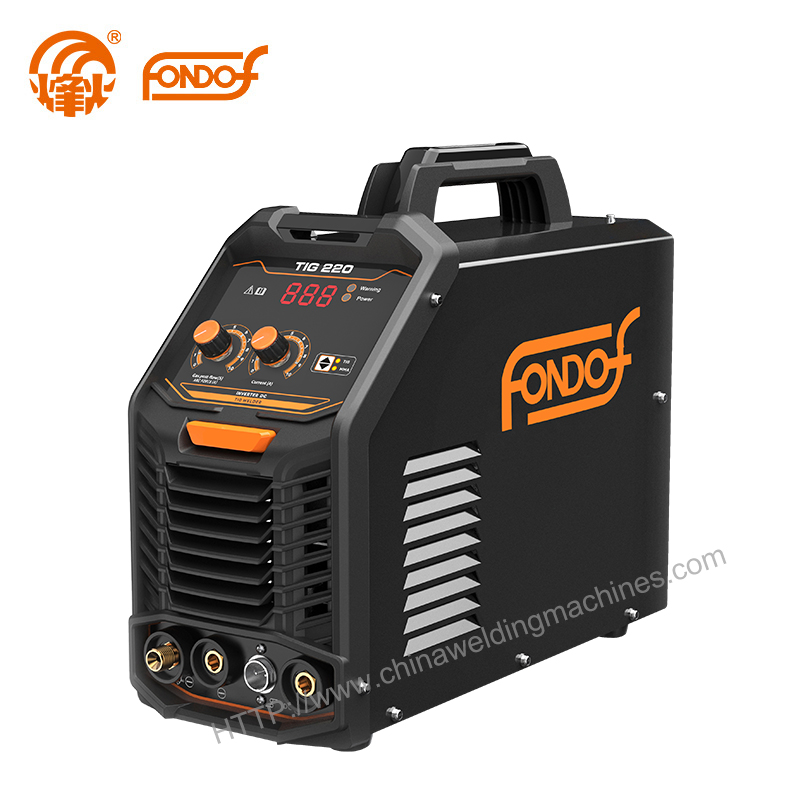
Superior Arc Stability for Consistent Results
One of the most significant advantages of DC TIG welding machines is their excellent arc stability.
The direct current produces a smooth and focused arc
Minimizes arc wandering and fluctuations
Enables precise heat control at the weld point
This level of stability is essential in precision industries where even minor inconsistencies can lead to defects or product failure.
Exceptional Weld Quality and Clean Finish
DC TIG welding is known for delivering highly aesthetic and defect-free welds.
Key quality benefits:
No spatter during welding
Smooth, clean weld beads
Minimal oxidation with proper shielding
Reduced need for post-weld finishing
For sectors like medical manufacturing or food-grade equipment, where cleanliness and appearance matter, this is a major advantage.
Precise Heat Input Control
Precision industries often work with thin materials or heat-sensitive components. DC TIG welding allows operators to finely control heat input, reducing the risk of damage.
Narrow heat-affected zone (HAZ)
Lower distortion on thin sections
Better control over penetration depth
This makes DC TIG especially suitable for applications such as:
Thin-walled tubing
Micro-welding tasks
High-precision assemblies
Ideal for Thin Materials and Fine Components
Compared to other welding processes, DC TIG excels when working with thin gauges and delicate parts.
Stable low-current operation
Accurate arc starting capabilities
Reduced burn-through risk
Industries like electronics and instrumentation rely on these capabilities to maintain product integrity and performance.
Strong and Reliable Weld Integrity
In critical applications, weld strength and reliability are essential. DC TIG welding produces:
Deep, controlled penetration
Strong metallurgical bonding
Low defect rates (porosity, cracking, inclusions)
This ensures long-term durability, particularly in demanding environments such as aerospace and pressure systems.
Versatility Across High-Value Materials
DC TIG welding machines are compatible with a wide range of metals commonly used in precision industries:
Stainless steel (for corrosion resistance)
Titanium (for aerospace and medical use)
Nickel alloys (for high-temperature applications)
Copper (for electrical conductivity)
This versatility allows manufacturers to use a single welding solution across multiple applications.
Reduced Rework and Higher Production Efficiency
Although TIG welding is traditionally considered slower than other methods, DC TIG machines help improve overall efficiency in precision industries by:
Minimizing defects and rework
Delivering consistent weld quality
Reducing material waste
In high-value manufacturing, avoiding rework often results in greater cost savings than simply increasing speed.
Enhanced Operator Control and Automation Compatibility
Modern DC TIG welding machines come with advanced features that enhance usability and integration:
Digital parameter control for repeatability
Pulse TIG functions for better heat management
Foot pedal or remote control adjustments
Compatibility with automated and robotic systems
These features make DC TIG suitable for both manual craftsmanship and automated precision production lines.
Applications in Precision Industries
DC TIG welding plays a vital role in several high-precision sectors:
Aerospace
Welding of thin-walled components
High-strength, lightweight structures
Medical Devices
Clean, contamination-free welds
Surgical instruments and implants
Electronics
Micro-welding of delicate components
Precision connections
Food & Pharmaceutical Equipment
Hygienic stainless steel welding
Smooth, easy-to-clean surfaces
Long-Term Cost Advantages
While DC TIG welding machines may require a higher initial investment and skilled operation, they offer strong long-term value:
Lower defect and rejection rates
Reduced finishing and polishing costs
Extended product lifespan due to high weld quality
Efficient use of materials
Conclusion
DC TIG welding machines deliver a powerful combination of precision, control, and reliability, making them indispensable in industries where quality cannot be compromised. From producing clean, defect-free welds to minimizing material distortion and waste, DC TIG technology supports both high performance and cost efficiency.
For manufacturers operating in precision-driven sectors, investing in DC TIG welding is a strategic choice that ensures consistent results, superior product quality, and long-term operational benefits.