Energy Efficiency and Environmental Benefits of Laser Welding Machines
 Apr. 09, 2026
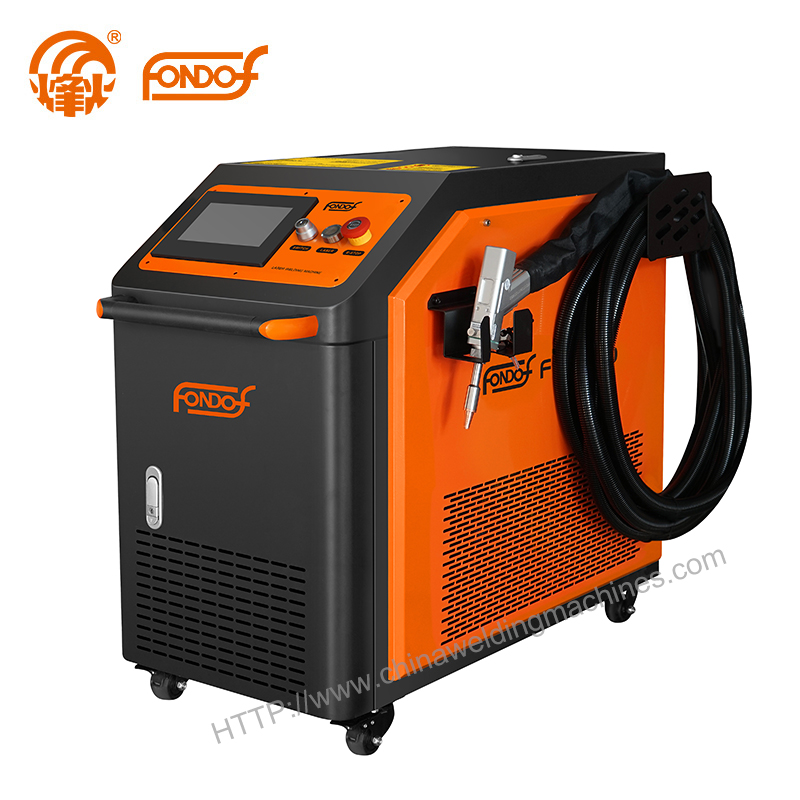
In today’s manufacturing landscape, sustainability and cost efficiency are no longer optional—they are critical decision-making factors. Among advanced joining technologies, laser welding machines have emerged as a preferred solution for industries seeking cleaner, faster, and more energy-efficient production processes.
This article explores how laser welding contributes to energy savings and environmental protection, while also improving overall manufacturing performance.
What Makes Laser Welding Energy Efficient?
Laser welding uses a highly focused beam of light to join materials with extreme precision. Unlike conventional welding methods such as MIG or TIG, it delivers energy exactly where it is needed, minimizing waste.
1. High Energy Conversion Efficiency
Modern fiber laser welding machines can achieve electrical-to-optical efficiency rates of up to 40–50%, significantly higher than traditional welding systems. This means more input power is converted into usable welding energy rather than being lost as heat.
2. Reduced Heat Input
Laser welding operates with a low heat-affected zone (HAZ). By concentrating energy into a small focal point:
Less material is heated unnecessarily
Reduced distortion and rework
Lower overall energy consumption per weld
3. Faster Processing Speeds
Laser welding is considerably faster than traditional methods. Higher welding speeds translate into:
Shorter machine operating times
Lower electricity usage per unit
Increased production efficiency
Environmental Advantages of Laser Welding Machines
Beyond energy savings, laser welding technology supports cleaner and more sustainable manufacturing practices.
1. Minimal Material Waste
The precision of laser welding ensures:
Narrow weld seams
Reduced filler material or no filler at all
Less scrap and rework
This contributes directly to resource conservation and cost reduction.
2. Reduced Emissions and Fumes
Traditional welding processes often generate significant smoke, fumes, and harmful gases. Laser welding:
Produces fewer airborne pollutants
Improves workplace air quality
Reduces the need for extensive ventilation systems
3. Lower Noise Pollution
Laser welding machines operate more quietly compared to arc welding systems, contributing to:
A safer and more comfortable work environment
Reduced noise-related health risks
4. Cleaner Production Process
Laser welding is a non-contact process, meaning:
No electrode wear
Minimal spatter
Reduced need for post-processing cleaning
This leads to a cleaner production floor and less chemical usage.
Supporting Sustainable Manufacturing Goals
Companies worldwide are aligning with stricter environmental regulations and ESG (Environmental, Social, Governance) targets. Laser welding machines help manufacturers meet these goals in several ways:
1. Lower Carbon Footprint
By consuming less energy and reducing waste, laser welding directly contributes to lower CO₂ emissions per product.
2. Compatibility with Automation
Laser welding systems are easily integrated into automated production lines:
Consistent, repeatable results
Reduced human error and material waste
Optimized energy usage through smart controls
3. Long Equipment Lifespan
Fiber laser sources typically offer lifespans exceeding 100,000 hours, reducing:
Equipment replacement frequency
Industrial waste generation
Industry Applications Driving Green Benefits
Laser welding is widely adopted across industries that prioritize efficiency and sustainability:
Automotive Manufacturing: Lightweight structures, battery welding, and reduced emissions
Electronics: Precision welding with minimal thermal impact
Medical Devices: Clean, contamination-free joining
Aerospace: High-strength, low-distortion welds
Each application benefits from lower energy consumption and improved environmental performance.
Cost Savings Through Energy Efficiency
Energy efficiency is not just an environmental advantage—it also delivers measurable financial benefits:
Lower electricity bills due to reduced power consumption
Reduced material costs through minimal waste
Less post-processing and rework
Increased throughput and productivity
Over time, these savings can significantly offset the initial investment in laser welding equipment.
Future Trends in Eco-Friendly Laser Welding
The evolution of laser technology continues to enhance its environmental advantages:
AI-driven process optimization for real-time energy control
Hybrid laser systems combining efficiency with flexibility
Green manufacturing integration with renewable energy sources
These innovations are expected to further reduce the environmental impact of industrial welding.
Conclusion
Laser welding machines represent a powerful combination of energy efficiency, environmental responsibility, and high-performance manufacturing. By reducing power consumption, minimizing waste, and lowering emissions, they provide a sustainable alternative to traditional welding methods.
For manufacturers aiming to improve productivity while meeting environmental standards, adopting laser welding technology is not just a technical upgrade—it is a strategic investment in the future of clean and efficient production.