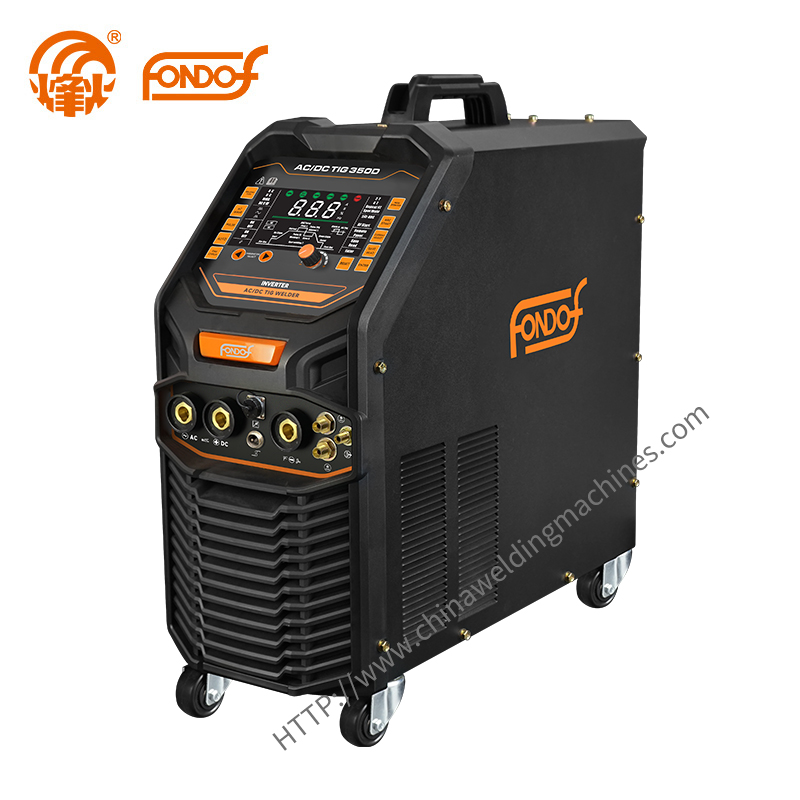
How DC Pulse TIG Welding Machines improve weld quality
 Jun. 24, 2026
DC Pulse TIG welding machines are widely used in precision fabrication because they offer much finer control over heat input compared to conventional DC TIG systems. This control directly improves weld appearance, structural consistency, and performance on thin or sensitive materials. In industries such as stainless steel fabrication, aerospace components, medical devices, and automotive repair, pulse TIG has become a standard choice when weld quality matters more than welding speed.
Understanding how pulse technology works helps explain why it produces cleaner, stronger, and more controlled welds.
What Makes DC Pulse TIG Welding Different
In a standard DC TIG process, the welding current remains constant throughout the weld. In DC Pulse TIG, the machine alternates between:
Peak current: Used to penetrate and fuse the base material
Background current: Used to maintain the arc with minimal heat input
This rapid switching creates a controlled “pulsing” heat cycle that significantly improves weld behavior.
The result is a more stable molten pool with reduced overheating and better control over thin or heat-sensitive metals.
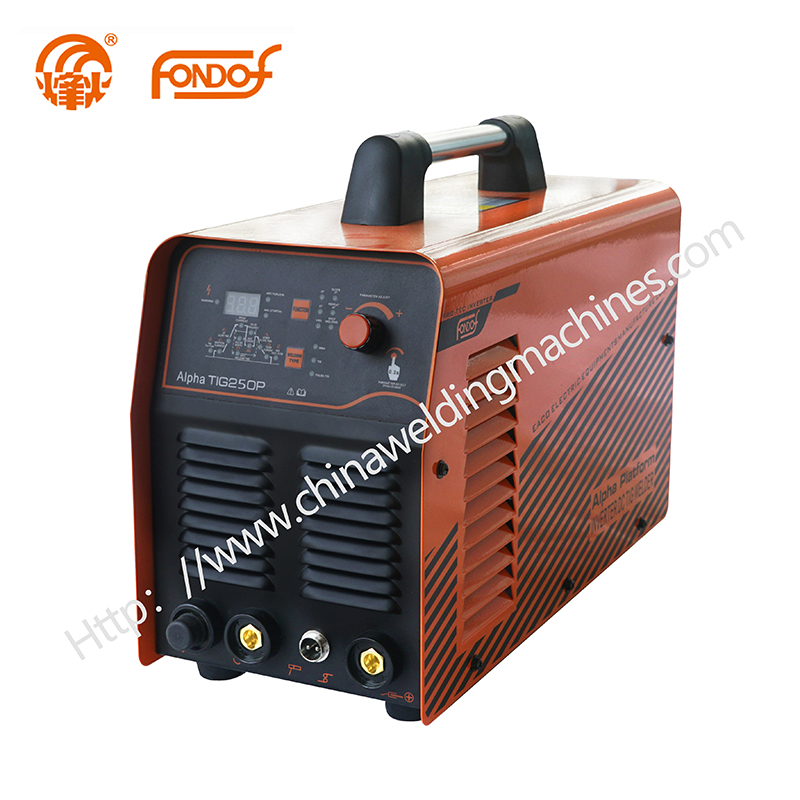
1. Improved Heat Control and Reduced Distortion
One of the biggest advantages of pulse TIG welding is precise heat management.
Excess heat is a common problem in traditional TIG welding, especially when working with:
Thin stainless steel sheets
Small precision parts
Long continuous weld seams
Pulse TIG reduces overall heat input by allowing the weld pool to cool slightly during the background current phase. This leads to:
Less warping and distortion
Reduced discoloration on stainless steel
Better dimensional accuracy after welding
For fabrication shops working with tight tolerances, this benefit alone can significantly reduce post-weld rework.
2. Cleaner and More Aesthetic Weld Beads
Pulse TIG naturally creates a more uniform weld appearance.
Because the arc alternates in a controlled rhythm, the weld pool solidifies more consistently, forming:
Even ripple patterns
Smoother bead profiles
Reduced spatter and oxidation marks
This is especially important for visible welds in architectural metalwork, stainless steel furniture, and decorative components where appearance is critical.
Operators can also fine-tune pulse frequency to achieve specific bead aesthetics depending on application requirements.
3. Better Control on Thin Materials
Welding thin materials is one of the most challenging TIG applications due to the risk of burn-through.
Pulse TIG helps by:
Delivering high energy only in short bursts
Maintaining arc stability at lower average heat
Allowing controlled penetration without overheating
This makes it easier to weld materials such as:
0.5–2.0 mm stainless steel sheets
Thin-walled tubing
Small precision assemblies
As a result, even less experienced welders can achieve stable results on delicate components.
4. Improved Arc Stability and Weld Pool Control
The pulsed current cycle helps stabilize the arc and the molten weld pool. Instead of a continuously high heat input, the weld pool is constantly “reset” during the background phase.
This provides:
Easier puddle visibility
Better directional control
Reduced risk of weld pool collapse
In out-of-position welding (vertical or overhead), this control becomes especially valuable.
5. Reduced Tungsten Contamination and Longer Electrode Life
Because pulse TIG reduces continuous heat stress on the tungsten electrode, it helps maintain a sharper tungsten tip for longer periods.
Benefits include:
Less tungsten wear and degradation
Fewer arc instability issues
Reduced risk of contamination entering the weld pool
This leads to more consistent arc performance and lower consumable costs over time.
6. Lower Overall Heat-Affected Zone (HAZ)
The heat-affected zone (HAZ) is the area of base material that changes microstructure due to welding heat.
DC Pulse TIG reduces HAZ size by limiting sustained heat exposure. This results in:
Stronger mechanical properties near the weld
Less metallurgical weakening
Improved corrosion resistance in stainless steel applications
For industries such as food-grade equipment manufacturing or chemical processing, minimizing HAZ is a major quality requirement.
7. Better Performance in Challenging Welding Positions
Pulse TIG improves weld control in vertical, overhead, or tight-access positions.
The controlled cooling phase allows the weld pool to solidify faster, reducing:
Sagging in vertical welds
Dripping in overhead welds
Loss of shape in confined spaces
This makes it easier for operators to maintain consistent bead geometry across different positions.
8. Enhanced Control Over Penetration and Fusion
By adjusting peak and background current settings, operators can fine-tune:
Penetration depth
Fusion width
Heat distribution
This level of control is particularly important in applications where:
Thin material must be joined to thicker sections
Precision joints require minimal distortion
Multi-pass weld consistency is required
It also reduces the likelihood of defects such as burn-through or incomplete fusion.
9. Energy Efficiency and Reduced Thermal Load
Since pulse TIG reduces average current draw, it also lowers energy consumption compared to continuous high-current welding.
Additional benefits include:
Less strain on machine components
Lower cooling requirements
Improved long-term equipment durability
For workshops with high daily welding volume, this can translate into measurable operational savings.
10. Ideal Applications for DC Pulse TIG Welding Machines
DC Pulse TIG is especially effective in:
Stainless steel fabrication and finishing work
Thin sheet metal production
Aerospace and precision engineering components
Automotive exhaust and body repair
Medical device manufacturing
Artistic and architectural metalwork
Any application that demands clean appearance, tight tolerances, and controlled heat input benefits from pulse technology.
Final Insight
DC Pulse TIG welding machines improve weld quality by transforming heat delivery from a constant stream into a controlled energy cycle. This enables better thermal management, improved bead appearance, reduced distortion, and greater consistency across complex welding tasks.
For workshops focused on precision and high-quality finishing, pulse TIG is not just an optional feature—it is often the difference between acceptable welds and professional-grade results.