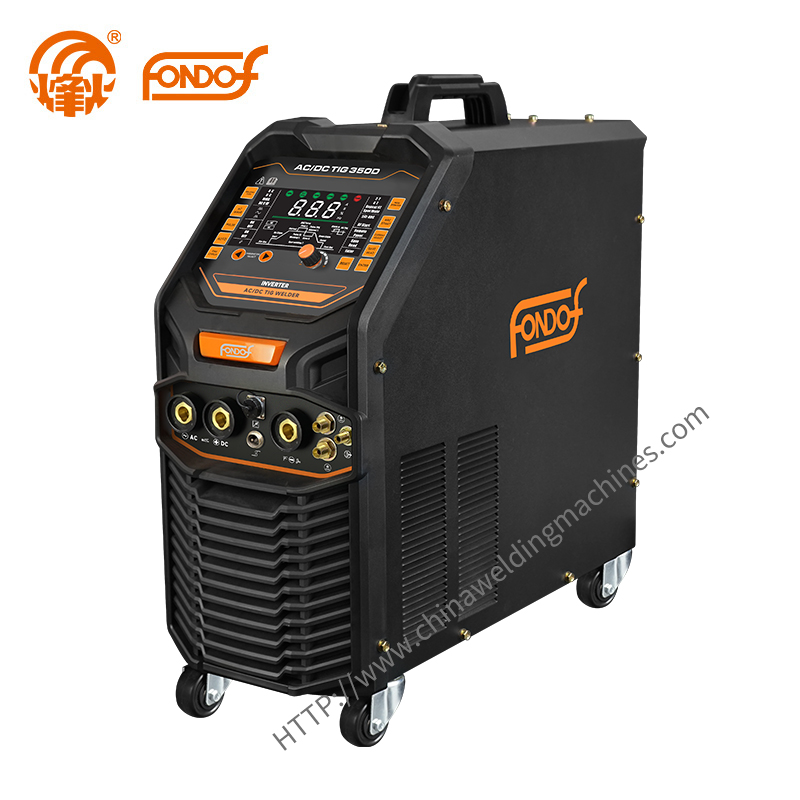
Common Problems and Solutions with Aluminium Welding Machines
 Mar. 04, 2026
Aluminium welding machines are essential tools for industries ranging from automotive and aerospace to fabrication shops. While they offer precise and high-quality welds, users often encounter common issues that can affect weld quality, efficiency, and machine longevity. Understanding these problems and knowing how to solve them is key to maximizing performance and ensuring long-term reliability.

1. Poor Weld Quality
Problem: Welds may appear weak, porous, or have an inconsistent bead. This can be caused by improper machine settings, contamination on the aluminum surface, or incorrect technique.
Solution:
Ensure the aluminum surface is clean and free of oxide layers, oil, or dirt.
Adjust the current, voltage, and travel speed according to the material thickness.
Use the correct filler wire and shielding gas for the specific aluminum alloy.
2. Excessive Spatter
Problem: Spatter occurs when molten metal droplets scatter around the weld, creating a messy workspace and potential defects.
Solution:
Check and adjust the gas flow rate; too low or too high can cause spatter.
Use proper welding polarity (DCEN or AC depending on the process).
Maintain correct electrode angle and stick-out length.
3. Machine Overheating
Problem: Extended use or high-current welding can cause the machine to overheat, triggering thermal protection or reducing output performance.
Solution:
Allow the machine to cool periodically during long welding sessions.
Check for proper ventilation around the machine.
Inspect and clean cooling fans and air vents regularly.
4. Difficulty Starting the Arc
Problem: Inconsistent arc starts can slow production and affect weld quality.
Solution:
Ensure proper grounding and clean contact surfaces.
Use a pilot arc function if the machine supports it.
Check torch connections and consumables for wear or damage.
5. Distorted Welds
Problem: Aluminium’s high thermal conductivity can lead to warping or distortion, especially in thin sheets.
Solution:
Use clamps or jigs to secure the workpiece.
Apply intermittent welds instead of long continuous beads to reduce heat buildup.
Adjust heat input and travel speed to minimize excessive melting.
6. Porosity in Welds
Problem: Tiny holes or bubbles (porosity) appear in the weld bead, reducing strength and aesthetics.
Solution:
Ensure shielding gas coverage is adequate; leaks or drafts can cause porosity.
Clean aluminum surfaces thoroughly to remove oxides and contaminants.
Avoid using damp or contaminated filler wire.
7. Consumables Wear Too Quickly
Problem: Electrodes, nozzles, and contact tips may wear faster than expected, affecting weld consistency.
Solution:
Regularly inspect consumables and replace them before severe wear occurs.
Use high-quality, manufacturer-recommended consumables.
Maintain proper machine settings to reduce unnecessary wear.
8. Inconsistent Penetration
Problem: Some welds may have shallow penetration, leading to weak joints.
Solution:
Adjust current and voltage settings for material thickness.
Ensure proper travel speed; too fast or too slow affects penetration.
Verify torch angle and distance from the workpiece are correct.
9. Gas Flow Problems
Problem: Improper shielding gas flow can cause oxidation, porosity, and poor arc stability.
Solution:
Regularly check gas regulators, hoses, and connections for leaks.
Use the recommended gas type and flow rate for the welding process.
Keep cylinders secured and upright to ensure stable gas delivery.
10. Electrical or Control Malfunctions
Problem: Power fluctuations, faulty connections, or control panel issues can stop the machine or reduce performance.
Solution:
Inspect power supply and grounding before welding.
Keep control panels clean and dry.
Schedule routine maintenance and professional servicing when needed.
Conclusion
While aluminium welding machines are highly efficient and versatile, awareness of these common issues ensures you can maintain high-quality welds and extend machine lifespan. Regular maintenance, proper operator training, and using the correct settings and consumables will minimize downtime and enhance production efficiency.
Investing time in troubleshooting and preventive care not only improves weld quality but also reduces repair costs and keeps your fabrication operations running smoothly.